

Can direct thermal film be used for product labels?
Jan 20, 2026
Leave a message
Can direct thermal film be used for product labels? That's a question I get asked a lot as a Direct Thermal Film supplier. And the short answer is yes, it can! But let's dive deeper into this topic to understand why and when it's a great choice.
First off, what exactly is direct thermal film? Direct thermal film is a special type of material that changes color when heat is applied to it. This is different from other types of printing methods where ink is used. When you use a direct thermal printer, the printer head heats up specific areas of the film, creating an image or text. It's a simple and efficient process that doesn't require any additional ink cartridges or ribbons.
One of the biggest advantages of using direct thermal film for product labels is its cost - effectiveness. Since you don't need to buy ink or ribbons, you can save a significant amount of money in the long run. This is especially beneficial for small businesses or companies that need to print a large number of labels on a regular basis. For example, if you're running a small food business and need to label all your products, using direct thermal film can help you keep your costs down without sacrificing quality.
Another great thing about direct thermal film is its speed. Direct thermal printers can print labels very quickly, which is a huge plus when you're in a hurry to get your products out the door. In a busy warehouse or production line, time is of the essence, and direct thermal film allows you to print labels on - the - fly, keeping your operations running smoothly.
The print quality of direct thermal film is also quite good. You can get sharp, clear text and images on your product labels. Whether you're printing a simple barcode or a detailed logo, direct thermal film can handle it. And with advancements in technology, the print quality has only gotten better over the years.
Now, let's talk about the durability of direct thermal film. While it's not as durable as some other types of label materials in all situations, it can still hold up well under normal conditions. For short - term use or products that won't be exposed to extreme conditions, direct thermal film labels are perfectly fine. For instance, if you're labeling products that will be sold in a retail store and have a relatively short shelf - life, direct thermal film labels can do the job.
However, if your products will be exposed to heat, sunlight, or chemicals, you might want to consider other options. The heat - sensitive coating on direct thermal film can fade or discolor over time when exposed to these elements. In such cases, Printable Mylar Labels or Clear Film Pet Labels might be a better choice as they are more resistant to environmental factors.
When it comes to application, direct thermal film is very versatile. You can use it for a wide range of product labels, including food labels, shipping labels, price tags, and more. It can be cut into different shapes and sizes to fit your specific needs. Whether you need small, square labels for your jewelry products or large, rectangular labels for your industrial equipment, direct thermal film can be customized accordingly.
In terms of the printing process, it's relatively easy. All you need is a direct thermal printer, which is widely available in the market. You just load the film into the printer, design your label using label - design software, and hit print. It's a straightforward process that even someone with little technical knowledge can handle.
But before you decide to use direct thermal film for your product labels, there are a few things to keep in mind. Make sure you choose the right type of direct thermal film for your application. There are different grades and qualities of direct thermal film available, and you need to select the one that suits your requirements in terms of durability, print quality, and cost.

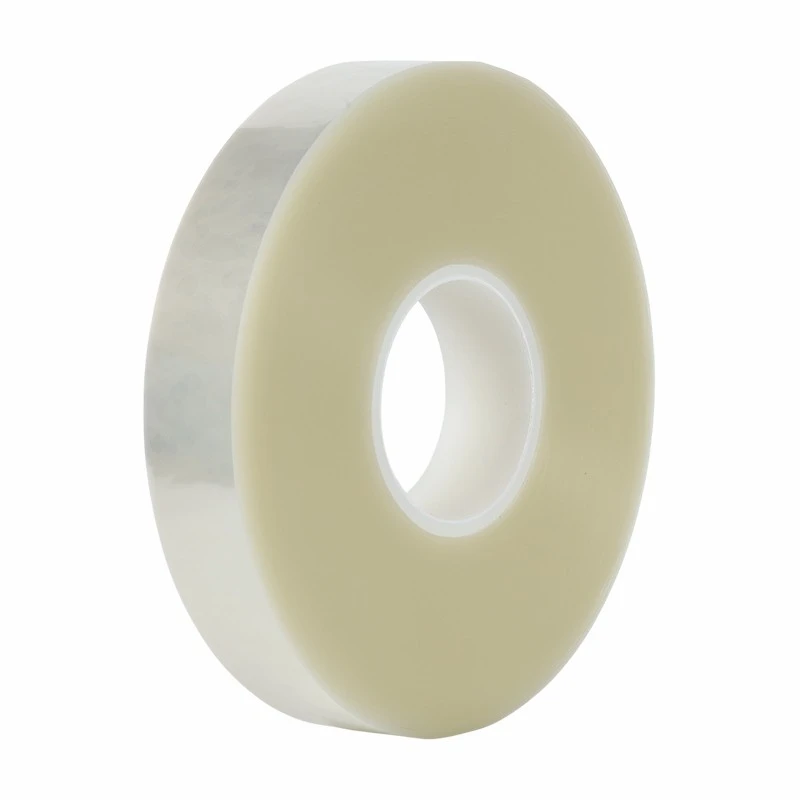
Also, consider the storage of direct thermal film. It should be stored in a cool, dry place away from direct sunlight and heat. If the film is stored improperly, it can affect the print quality and the lifespan of the labels.
In conclusion, direct thermal film can definitely be used for product labels, and it has many advantages such as cost - effectiveness, speed, and good print quality. But it's important to assess your specific needs and the environment in which your products will be used. If you're looking for a cost - efficient and quick - printing solution for short - term or normal - condition product labeling, Direct Thermal Film is a great option.
If you're interested in learning more about direct thermal film or want to discuss your product - labeling needs, I'd love to have a chat with you. We can explore together which type of film or label material is the best fit for your business. Don't hesitate to reach out for a procurement discussion.
References
- Industry reports on label materials
- Manufacturer's guides on direct thermal film and printers