

How to control the heat transfer DTF process to avoid burning the fabric?
Dec 15, 2025
Leave a message
In the dynamic world of textile printing, the Direct-to-Film (DTF) heat transfer process has emerged as a game-changer, offering unparalleled flexibility and quality. As a dedicated Heat Transfer DTF supplier, I've witnessed firsthand the transformative power of this technology. However, one common challenge that both beginners and seasoned printers face is controlling the heat transfer process to prevent fabric burning. In this blog post, I'll share some insights and practical tips to help you master this crucial aspect of DTF printing.
Understanding the DTF Heat Transfer Process
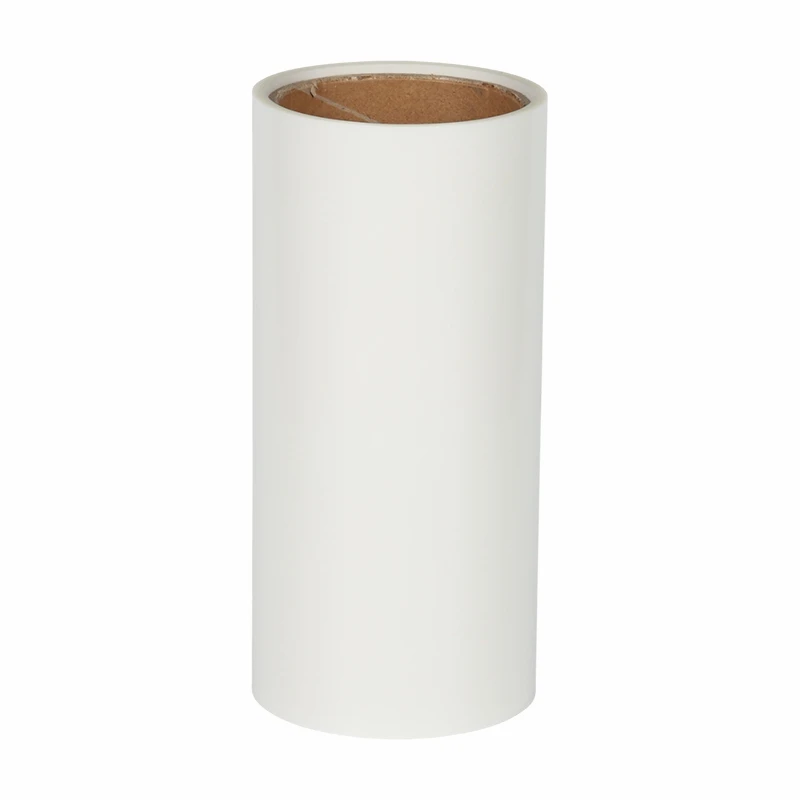
Before delving into the details of heat control, it's essential to understand the basic principles of the DTF heat transfer process. DTF printing involves printing a design onto a special DTF Heat Transfer Film, which is then coated with a powder adhesive. The film is then placed onto the fabric, and heat and pressure are applied to transfer the design from the film to the fabric.
The heat transfer process is critical because it activates the adhesive on the film, allowing it to bond with the fabric fibers. However, if the heat is too high or applied for too long, it can cause the fabric to burn, resulting in a damaged print and a dissatisfied customer.
Factors Affecting Heat Transfer in DTF Printing
Several factors can influence the heat transfer process in DTF printing. Understanding these factors is key to achieving consistent, high-quality results.
Fabric Type
Different fabrics have different heat tolerance levels. For example, natural fibers like cotton and linen can generally withstand higher temperatures than synthetic fibers like polyester and nylon. When printing on different fabrics, it's important to adjust the heat settings accordingly. For more information on DTF transfer on cotton, check out DTF Transfer On Cotton.
Film Quality
The quality of the DTF Heat Transfer Film can also affect the heat transfer process. High-quality films are designed to withstand higher temperatures and provide better adhesion, reducing the risk of fabric burning. When choosing a DTF film, look for one that is specifically designed for your fabric type and printing needs.
Heat Press Machine
The type and quality of the heat press machine you use can also have a significant impact on the heat transfer process. A good heat press machine should be able to provide consistent heat and pressure across the entire surface of the print. Make sure to calibrate your heat press machine regularly to ensure accurate temperature and pressure readings.
Printing Settings
The printing settings, such as the print resolution, ink density, and powder application, can also affect the heat transfer process. Higher print resolutions and ink densities may require more heat to transfer the design effectively, while excessive powder application can also increase the risk of fabric burning. Experiment with different printing settings to find the optimal combination for your specific project.
Tips for Controlling Heat Transfer to Avoid Fabric Burning
Now that we've discussed the factors that can affect the heat transfer process, let's look at some practical tips for controlling heat transfer to avoid fabric burning.

Pre-Test on Scrap Fabric
Before printing on your final fabric, it's always a good idea to pre-test the heat transfer process on a scrap piece of the same fabric. This will allow you to adjust the heat settings and other printing parameters to ensure that the design transfers correctly without burning the fabric.
Use a Heat Resistant Pad
A heat resistant pad can help protect the fabric from excessive heat during the transfer process. Place the heat resistant pad between the heat press platen and the fabric to absorb some of the heat and prevent direct contact between the platen and the fabric.
Adjust the Temperature and Time
As mentioned earlier, different fabrics have different heat tolerance levels. Refer to the fabric manufacturer's guidelines or conduct some tests to determine the optimal temperature and time settings for your specific fabric. Start with a lower temperature and shorter time and gradually increase them until you achieve the desired results.
Apply Even Pressure
Applying even pressure across the entire surface of the print is crucial for ensuring a uniform transfer and preventing fabric burning. Make sure to use a heat press machine that can provide consistent pressure and adjust the pressure settings according to the thickness of the fabric and the size of the print.
Monitor the Transfer Process
Keep a close eye on the transfer process to ensure that the fabric is not burning. If you notice any signs of burning, such as discoloration or a burning smell, immediately stop the heat press machine and adjust the settings.
Troubleshooting Common Heat Transfer Issues
Even with the best precautions, you may still encounter some heat transfer issues from time to time. Here are some common issues and their solutions:
Fabric Burning
If the fabric is burning during the transfer process, reduce the temperature and time settings and check the heat press machine for any malfunctions. Make sure to also use a heat resistant pad and apply even pressure.
Poor Adhesion
If the design is not adhering properly to the fabric, increase the temperature and time settings or check the quality of the DTF film and powder. Make sure to also clean the fabric surface before printing to remove any dirt or debris that may affect adhesion.
Fading or Blurring
If the print is fading or blurring after the transfer process, it may be due to insufficient heat or pressure. Increase the temperature and time settings and make sure to apply even pressure across the entire surface of the print.
Conclusion
Controlling the heat transfer process is essential for achieving high-quality DTF prints without burning the fabric. By understanding the factors that affect heat transfer, following the tips outlined in this blog post, and troubleshooting any issues that arise, you can master the DTF heat transfer process and create stunning prints that your customers will love.
As a Heat Transfer DTF supplier, I'm committed to providing you with the highest quality products and support to help you succeed in your DTF printing business. If you have any questions or need further assistance, please don't hesitate to contact me. I'm here to help you achieve the best possible results with your DTF printing projects.
If you're interested in purchasing our DTF products, such as DTF Heat Transfer Film or Dtg Transfer Film, please feel free to reach out to us for more information and to discuss your specific requirements. We look forward to working with you!
References
- "Direct-to-Film Printing: A Comprehensive Guide" by Textile Printing Magazine
- "Heat Press Machine Manual" by Heat Press Manufacturer
- "Fabric Heat Tolerance Chart" by Fabric Manufacturer