

How to make the transfer of DTF Heat Transfer Film more efficient?
Jan 05, 2026
Leave a message
So, you're in the business of custom apparel, or maybe you're just someone who loves to add a personal touch to your clothes. Either way, you've probably heard of DTF Heat Transfer Film. As a supplier of DTF Heat Transfer Film, I've seen firsthand how this technology has revolutionized the way we transfer designs onto fabrics. But like any process, there are ways to make it more efficient. In this blog post, I'm going to share some tips and tricks that can help you get the most out of your DTF transfers.

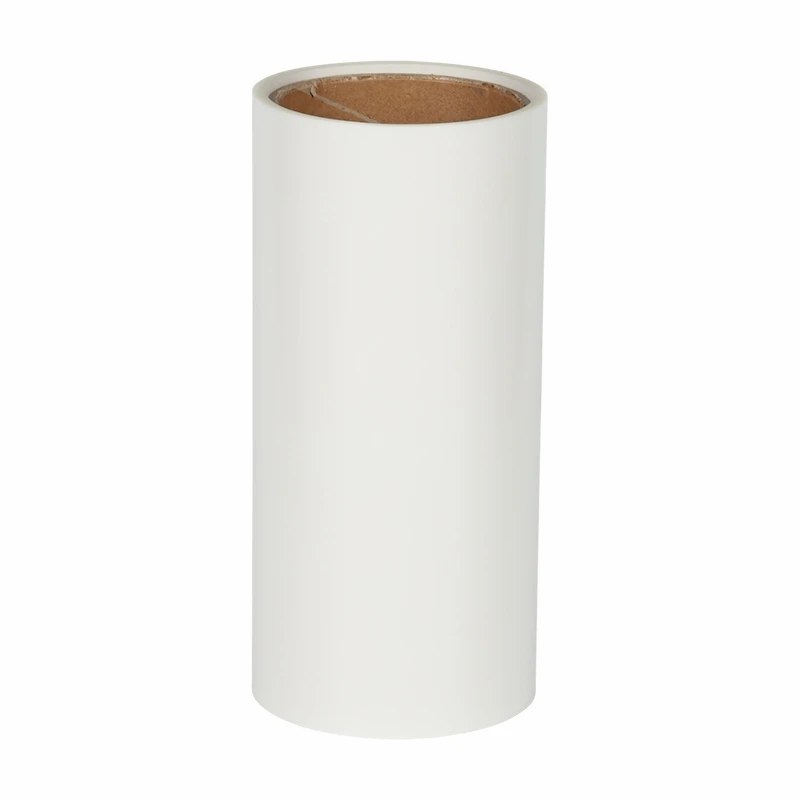
Understanding the Basics of DTF Heat Transfer Film
Before we dive into the efficiency tips, let's quickly go over what DTF Heat Transfer Film is. DTF, or Direct-to-Film, is a printing method that allows you to print your design directly onto a special film. This film is then covered with a powder adhesive, which is melted onto the film using a curing machine. Once the adhesive is set, the film can be transferred onto a garment using a heat press.
The great thing about DTF is that it can be used on a variety of fabrics, including cotton, polyester, and blends. It also produces high-quality, full-color prints that are durable and long-lasting. But to get the best results, you need to understand the process and how to use the film correctly.
Preparing Your Design
The first step in making your DTF transfers more efficient is to prepare your design properly. This means using high-resolution images and ensuring that your colors are accurate. Here are some tips to help you with this:
- Use High-Resolution Images: The quality of your design will directly affect the quality of your transfer. Make sure your images are at least 300 DPI (dots per inch) to ensure sharp, clear prints.
- Adjust Your Colors: Different printers and software may display colors slightly differently. It's a good idea to do some test prints to make sure your colors look the way you want them to before you print your final design.
- Mirror Your Design: When printing your design onto the DTF film, you need to mirror it so that it appears correctly when transferred onto the garment. Most design software has a mirroring function that you can use.
Choosing the Right Printer and Ink
The printer and ink you use will also have a big impact on the efficiency of your DTF transfers. Here's what you need to know:
- Printer: You'll need a printer that is compatible with DTF printing. There are several printers on the market that are specifically designed for DTF, so do your research and choose one that fits your needs and budget.
- Ink: Using high-quality ink is essential for producing good-quality prints. Make sure you use ink that is designed for DTF printing and that is compatible with your printer.
- Maintenance: Regularly maintaining your printer can help prevent clogs and other issues that can slow down your printing process. Follow the manufacturer's instructions for cleaning and maintenance.
Printing and Curing
Once you've prepared your design and chosen the right printer and ink, it's time to print and cure your DTF film. Here are some tips to make this process more efficient:
- Print Settings: Adjust your printer settings to ensure the best possible print quality. This may include adjusting the print speed, resolution, and ink density.
- Curing Time: The curing time for DTF film can vary depending on the type of film and the curing machine you're using. Make sure you follow the manufacturer's instructions for curing time and temperature to ensure the adhesive is properly set.
- Batch Printing: If you have multiple designs to print, consider batch printing them to save time and reduce waste. You can print several designs on one sheet of DTF film and then cut them out later.
Transferring the Design
The final step in the DTF process is transferring the design onto the garment. This is where things can get a little tricky, but with the right technique, you can make it more efficient. Here are some tips:
- Heat Press: Use a high-quality heat press that is capable of reaching the correct temperature and pressure for DTF transfers. Make sure you follow the manufacturer's instructions for using the heat press.
- Transfer Time and Temperature: The transfer time and temperature will depend on the type of fabric you're using and the manufacturer's recommendations. Do some test transfers on scrap fabric to find the best settings for your specific project.
- Positioning: Make sure you position the DTF film correctly on the garment before pressing. You can use a ruler or a template to help you with this.
Troubleshooting Common Issues
Even with the best preparation and technique, you may still encounter some issues with your DTF transfers. Here are some common problems and how to fix them:
- Poor Adhesion: If the design is not adhering properly to the fabric, it could be due to insufficient heat or pressure during the transfer process. Make sure you're using the correct transfer time and temperature and applying enough pressure.
- Blurry Prints: Blurry prints can be caused by a variety of factors, including low-resolution images, dirty printer heads, or incorrect print settings. Check your images and printer settings and clean your printer heads if necessary.
- Color Issues: If the colors in your transfer don't match the colors in your design, it could be due to color calibration issues or using the wrong type of ink. Make sure you adjust your colors correctly and use high-quality ink.
Conclusion
Making the transfer of DTF Heat Transfer Film more efficient is all about understanding the process, using the right equipment and materials, and following the best practices. By following the tips and tricks outlined in this blog post, you can save time, reduce waste, and produce high-quality DTF transfers.
If you're interested in learning more about DTF Heat Transfer Film or purchasing our products, please [contact us here](Your actual contact purchasing channel). We're always happy to help you with your DTF needs and answer any questions you may have.
References
- Various industry knowledge and experience from working in the DTF Heat Transfer Film supply field.
- Manufacturer's guides and instructions for DTF printing equipment and materials.