

What are the safety considerations when using direct thermal film?
Oct 09, 2025
Leave a message
Hey there! As a supplier of Direct Thermal Film, I've seen firsthand how useful this stuff can be. But like any product, there are some safety considerations you need to keep in mind when using it. In this blog, I'll walk you through all the important safety aspects so you can use Direct Thermal Film safely and effectively.
Understanding Direct Thermal Film
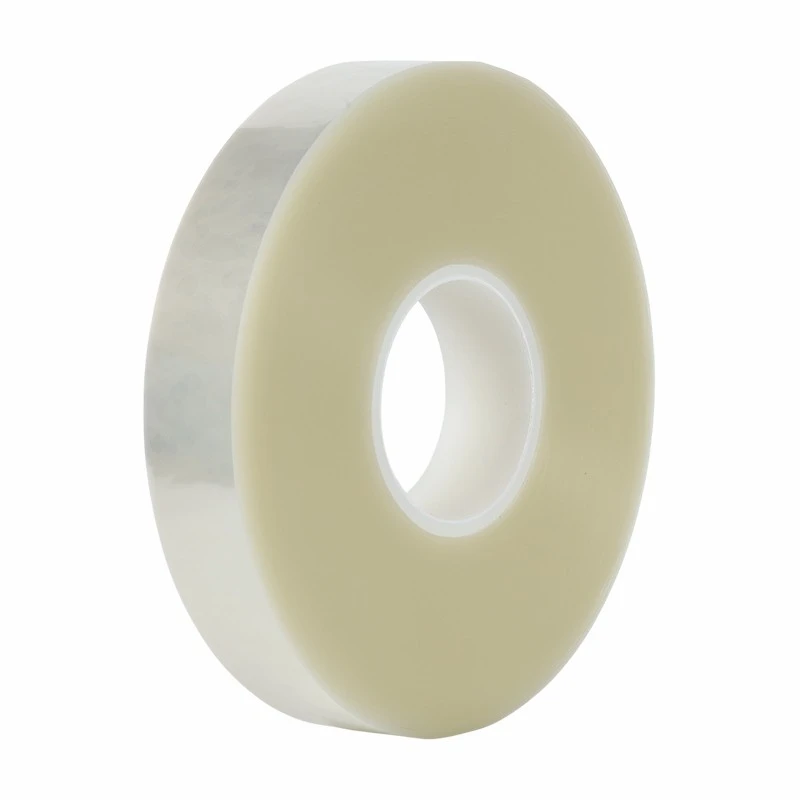
First off, let's quickly go over what Direct Thermal Film is. It's a type of film that's used for printing labels and barcodes. When heat is applied to the film, it changes color, creating the printed image. It's super convenient because you don't need any ink or toner, which makes it a cost - effective and mess - free option. You can check out more about it Direct Thermal Film.
Storage Safety
One of the first things to think about is how you store your Direct Thermal Film. This film is sensitive to heat, humidity, and light. If you store it in a place that's too hot, the film can start to darken prematurely. That means when you try to print on it later, the background might be all gray instead of white, and your print quality will be way off.
Humidity is another enemy. If the film gets too damp, it can curl up or stick together. And once that happens, it's really hard to feed it through your printer properly. So, make sure to store your Direct Thermal Film in a cool, dry place. A temperature between 18 - 22°C (64 - 72°F) and a relative humidity of around 40 - 60% is ideal.
Light can also cause problems. Prolonged exposure to sunlight or strong artificial light can cause the film to degrade. Keep it in a sealed container or a dark cabinet when it's not in use.
Handling Safety
When you're handling Direct Thermal Film, be gentle. The film is pretty thin and can easily get scratched or damaged. If there are scratches on the film, it can affect the print quality. You might end up with lines or blurry areas in your printed labels.
Wash your hands before handling the film. Oils and dirt from your hands can transfer to the film and cause smudging or uneven printing. Also, avoid touching the printing surface of the film as much as possible.
Printing Safety
Now, let's talk about the printing process. When you're using a printer with Direct Thermal Film, make sure the printer is in good working condition. A faulty printer can overheat the film, which not only ruins the print but can also be a fire hazard.

Check the printer settings regularly. The temperature and speed settings need to be adjusted according to the type of Direct Thermal Film you're using. If the temperature is too high, the film can burn, and if it's too low, the print might be too light to read.
Keep the printer area well - ventilated. During the printing process, some fumes can be released, especially if the film is overheated. These fumes can be irritating to your eyes, nose, and throat. So, open a window or use a fan to keep the air moving.
Compatibility Safety
Not all Direct Thermal Films are created equal, and they might not be compatible with every printer. Before you start using a new roll of film, check the manufacturer's recommendations. Using an incompatible film can damage your printer and lead to poor print quality.
Also, if you're using different types of labels, like Printable Mylar Labels or Glossy Clear Film Labels, make sure they are suitable for direct thermal printing. Some labels might have special coatings or materials that don't work well with the direct thermal process.
Disposal Safety
Once you're done with the Direct Thermal Film, you need to dispose of it properly. Don't just throw it in the regular trash. Some parts of the film might contain chemicals that can be harmful to the environment. Check with your local waste management facility to see if they have specific guidelines for disposing of thermal printing materials.
If you have any damaged or unused film, don't try to reuse it in an improper way. It's better to dispose of it correctly rather than risk using it and causing problems with your printer or getting poor - quality prints.
Safety for End - Users
If you're supplying Direct Thermal Film to other businesses or customers, it's important to provide them with safety information. Make sure they know about the storage, handling, printing, and disposal safety tips. You can include a safety guide with each roll of film or provide it on your website.
Educating your customers about safety not only helps them use the product correctly but also protects your reputation as a supplier. If they have a good experience with your film and know how to use it safely, they're more likely to come back for more.
Conclusion
So, there you have it! These are all the important safety considerations when using Direct Thermal Film. By following these tips, you can ensure that you get high - quality prints, protect your equipment, and keep yourself and the environment safe.
If you're interested in purchasing Direct Thermal Film or have any questions about it, feel free to reach out. We're here to help you find the right product for your needs and make sure you have all the information you need to use it safely.
References
- Manufacturer's guidelines for Direct Thermal Film
- Industry standards for thermal printing safety
- Local waste management regulations for thermal printing materials