

What equipment is needed for DTF transfer on polyester?
Nov 10, 2025
Leave a message
DTF (Direct to Film) transfer on polyester has emerged as a revolutionary method in the textile printing industry, offering high - quality, durable, and detailed prints on polyester fabrics. As a DTF Transfer On Polyester supplier, I understand the importance of having the right equipment for this process. In this blog, I will delve into the essential equipment needed for DTF transfer on polyester, providing insights to help you achieve optimal results.
Printer
The heart of the DTF transfer process is the printer. A specialized DTF printer is required to print the design onto the transfer film accurately. These printers are designed to handle the unique ink requirements of DTF printing. They use pigment - based inks that are formulated to adhere well to the transfer film and then transfer effectively to the polyester fabric.
When choosing a DTF printer, consider factors such as print resolution, print speed, and ink capacity. Higher resolution printers can produce more detailed and sharp designs, which is crucial for high - end polyester products. Print speed is also important, especially if you have large - scale production needs. Additionally, a printer with a large ink capacity will reduce the frequency of ink refills, increasing productivity. Some well - known brands in the DTF printer market offer reliable and high - performance machines that are suitable for DTF transfer on polyester.
DTF Ink
DTF ink is a key component in the DTF transfer process. The inks used for DTF transfer on polyester are different from traditional textile inks. They are formulated to have good adhesion to both the transfer film and the polyester fabric. Pigment - based DTF inks are commonly used because they offer excellent colorfastness and durability on polyester.
The quality of the DTF ink directly affects the final print quality. High - quality inks will produce vibrant colors, sharp details, and long - lasting prints. It is important to choose inks that are compatible with your printer and the transfer film you are using. Some inks are specifically designed for use on polyester, ensuring better adhesion and color retention. As a supplier, I can recommend the best DTF inks for polyester transfer based on my experience and knowledge of the market.
Transfer Film
The transfer film is where the design is first printed before being transferred to the polyester fabric. There are different types of transfer films available in the market, each with its own characteristics. DTg Transfer Film is a popular choice for DTF transfer on polyester. It has a smooth surface that allows for easy printing of the design and good transferability to the fabric.
Heat Transfer DTF films are also commonly used. These films are designed to withstand the heat and pressure during the transfer process, ensuring that the design is transferred completely and evenly onto the polyester fabric. DTF Heat Transfer Film is another option, which offers high - quality transfer results and is suitable for a wide range of polyester products.
When selecting a transfer film, consider factors such as release properties, printability, and compatibility with the DTF ink and the polyester fabric. A good transfer film will release the design cleanly from the film and adhere well to the polyester, resulting in a high - quality print.
Powder Shaker
A powder shaker is used to apply the hot - melt powder to the printed design on the transfer film. The hot - melt powder plays a crucial role in the DTF transfer process. It helps to bind the ink to the polyester fabric during the heat transfer process.
The powder shaker should be able to apply the powder evenly and consistently over the printed design. There are different types of powder shakers available, ranging from manual to automatic models. Manual powder shakers are suitable for small - scale production or for those who are just starting with DTF transfer on polyester. Automatic powder shakers, on the other hand, are more efficient and can handle larger volumes of work. They offer better control over the powder application, ensuring a more uniform and high - quality transfer.
Heat Press
The heat press is used to transfer the design from the transfer film to the polyester fabric. It applies heat and pressure to the transfer film and the fabric, causing the hot - melt powder to melt and bond the ink to the polyester.
When choosing a heat press for DTF transfer on polyester, consider factors such as temperature control, pressure distribution, and size. Precise temperature control is essential to ensure that the transfer is successful without damaging the polyester fabric. The heat press should also be able to distribute pressure evenly across the entire transfer area to ensure a uniform transfer. The size of the heat press should be appropriate for the size of the polyester products you are printing. A larger heat press may be required for printing on larger items such as polyester jackets or banners.
Curing Machine
After the design is transferred to the polyester fabric, a curing machine is used to further set the ink and improve its durability. The curing process helps to ensure that the ink is fully bonded to the fabric and will not fade or wash out easily.
There are different types of curing machines available, including conveyor dryers and infrared curing machines. Conveyor dryers are suitable for large - scale production as they can cure multiple items continuously. Infrared curing machines, on the other hand, offer faster curing times and are more energy - efficient. The choice of curing machine depends on your production volume and specific requirements.
Cutting Plotter
A cutting plotter is an optional but useful piece of equipment for DTF transfer on polyester. It can be used to cut the printed transfer film into the desired shape and size before the transfer process. This is especially useful for creating custom - shaped designs or for cutting out individual pieces for appliqué work.

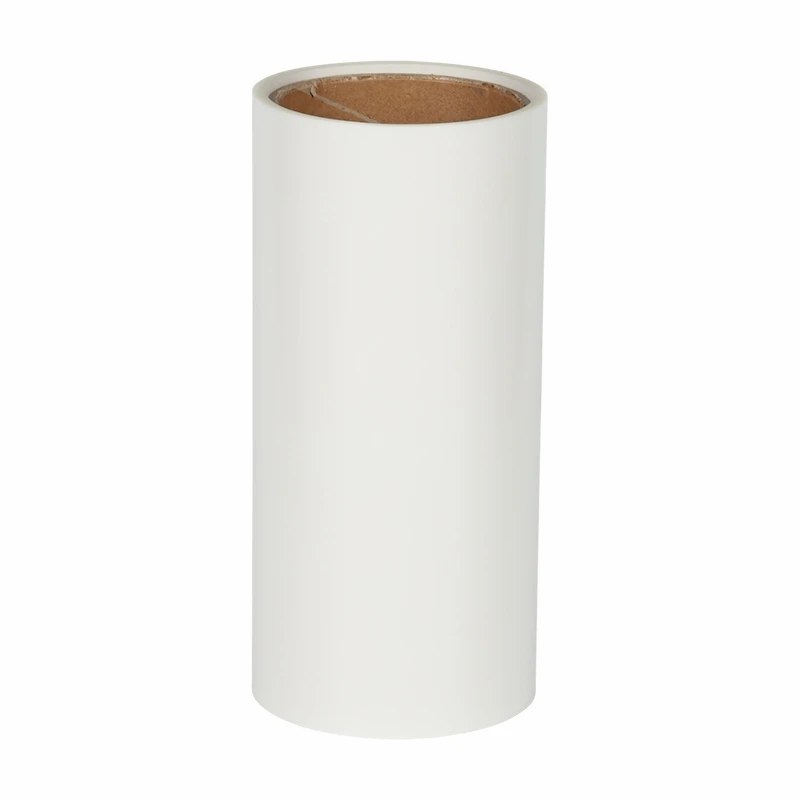
Cutting plotters come in different sizes and capabilities. Some can cut through thick transfer films with precision, while others are more suitable for thinner films. When choosing a cutting plotter, consider factors such as cutting speed, cutting accuracy, and the types of materials it can handle.
Quality Control Equipment
To ensure the quality of the DTF transfer on polyester, it is important to have quality control equipment. This may include colorimeters, which can measure the color accuracy of the prints, and abrasion testers, which can test the durability of the prints.
Colorimeters help to ensure that the colors of the prints match the desired color specifications. They can provide objective data on color accuracy, allowing you to make adjustments to the printing process if necessary. Abrasion testers simulate the wear and tear that the polyester products may experience during normal use. By testing the prints for abrasion resistance, you can ensure that they will maintain their quality over time.
Conclusion
In conclusion, DTF transfer on polyester requires a combination of specialized equipment to achieve high - quality and durable prints. From the printer and ink to the transfer film, powder shaker, heat press, curing machine, and quality control equipment, each piece of equipment plays a crucial role in the process.
As a DTF Transfer On Polyester supplier, I am committed to providing my customers with the best equipment and support for their DTF transfer needs. If you are interested in purchasing equipment for DTF transfer on polyester or have any questions about the process, please feel free to contact me for a procurement discussion. I can offer you professional advice and help you select the right equipment based on your specific requirements.
References
- Textile Printing Technology Handbook
- DTF Printing Industry Reports
- Polyester Fabric Properties and Applications Studies